You must have regular cleaning based upon risk factors, operational volume, food allergen presence, and health inspections, plus verification documentation supporting food safety protocols, regulatory audits, and government health requirements. The information below detail essential sanitation program components.
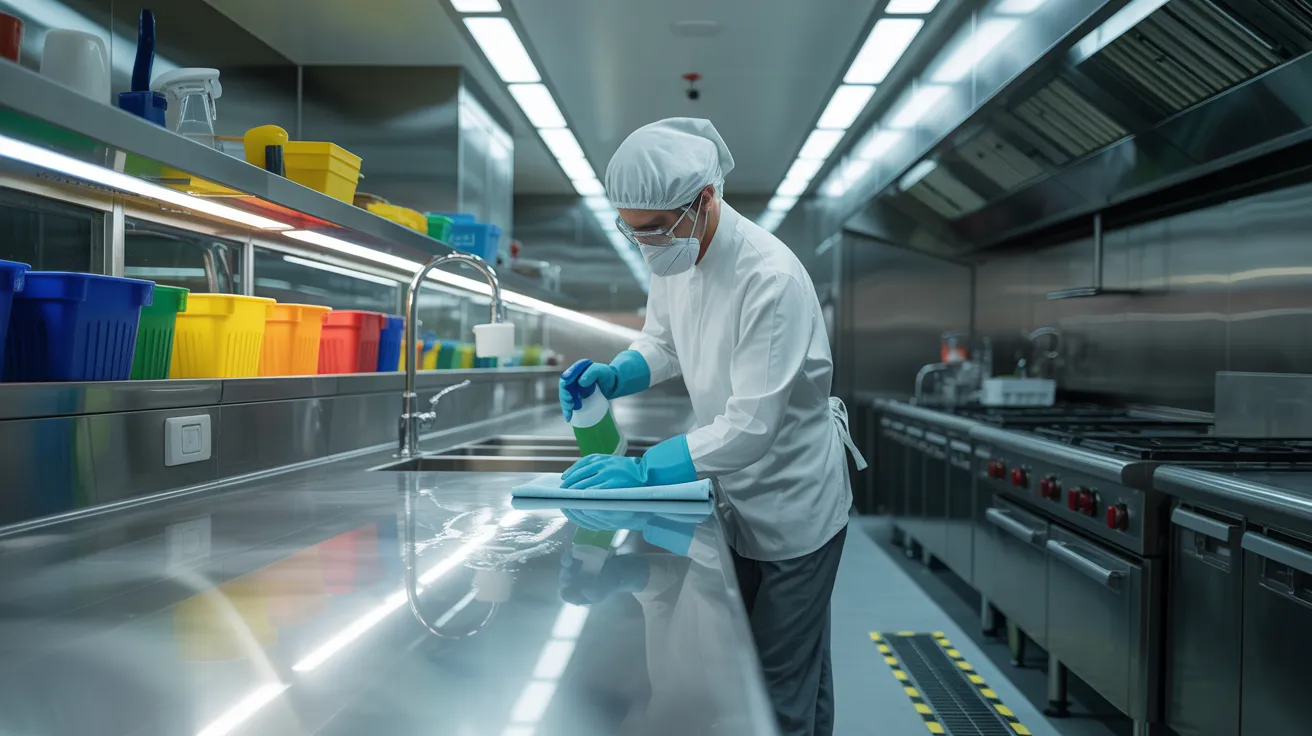
Important Highlights
- Brampton sanitation experts maintain restaurants, grocery departments, commissaries, warehouses, bakeries, schools, mobile vendors, and allergen-sensitive operations.
- Frequently contacted areas, food-contact equipment, kitchens, floors, drains, restrooms, and storage areas are cleaned using compartmentalized approaches to reduce cross-contamination.
- Certified vendors confirm approved sanitizer dilution, alignment, and exposure duration, then document conclusion with checks, audits, and action records.
- Effective sanitation schedules consider hazard, output capacity, changeovers, spills, and standards when assigning routine, weekly, and seasonal tasks by location.
- Select vendors with HACCP, public-health, knowledge, WHMIS, instruction, insurance, testimonials, colour-coded implements, and compliance-ready maintenance documentation.
Food Safety Cleaning Requirements for Brampton Operations
Food safety cleaning is essential for any Brampton facility that manages, stores, prepares, packages, or distributes food. Apply it to your operation if it falls within public health inspection, food premises regulations, or internal HACCP-based controls. This includes dining establishments, break rooms, distribution centers, market departments, meat shops, fish areas, stores, and food prep kitchens.
Compliant food safety cleaning remains necessary in supply warehouses, processing plants, freezer locations, commercial bakeries, school food programs, reception facilities, and food delivery centers. Portable temporary ventures apply similarly, such as mobile kitchens, market vendors, and seasonal booths. Your venue needs written cleaning standards if your workers prepare supplies, portion finished foods, reheat dishes, or organize allergen inventory. In Brampton, sanitation stays elective; it forms part of regulatory, business, and safety compliance.
What Do Brampton Cleaning Professionals Handle?
You need cleaning experts who sanitize high-touch surfaces, kitchen areas, floors, and bathrooms to meet food safety and public health standards. They target these areas because they pose the greatest danger for cross-contamination, slip hazards, and sanitation breaches.
If you grasp what they sanitize, you'll successfully ensure your operation satisfies all operational and regulatory compliance needs.
Important High-Touch Surface Cleaning
implement a disinfection plan
Preventing cross-contact via replacing cleaning materials, using directional workflows, and organizing disinfection materials by area ensures your cleaning program remains quantifiable, defensible, and ready for inspection.
Cooking Zones, Walking Surfaces, and Restroom Environments
Expect Brampton cleaning experts to target kitchens, floors, and restrooms because each area carries distinct foodborne illness prevention, slip-and-fall, and sanitation risks. In industrial kitchens, you need grease removal from cooking stations, appliance surfaces, drain systems, preparation areas, and backsplashes to minimize bacterial growth and pest activity.
Floor care that is documented should equally be anticipated. Technicians clean and remove buildup from grout, tile, and vinyl flooring, then apply appropriate drying controls so you can reduce slip incidents and meet regulatory standards. They also handle entryways where moisture and debris migrate indoors.
For restroom sanitation, cleaners disinfect touchpoints, fixtures, partitions, dispensers, and waste containers, then restock supplies and control odours. They also maintain restaurant cleaning supply rooms where product storage, sink cleanliness, and drain systems impact daily sanitation standards and worker protection.
How Food Safety Cleaning Benefits Brampton Operations
In Brampton, you must copyright sanitary cleaning practices to satisfy regulatory standards and achieve compliance. You also minimize bacterial spread through proper cleaning of food-preparation surfaces, appliances, and frequently-touched items. Most importantly, you help protect public health by lowering the risk of foodborne illness in your facility.
Sanitary Standards Adherence
Since Brampton food companies must follow strict public health standards, your food safety cleaning directly influences your ability to meet health codes, ensure the safety of diners, and prevent regulatory penalties. You must maintain hygienic food handling zones, recorded sanitation plans, correct sanitizer application, and verifiable staff procedures that comply with municipal and provincial inspection expectations.
Well-maintained cleaning files help you in showing due diligence during compliance reviews and establishing your methods follow standardized patterns that are reproducible and overseen.
Cross-Contamination Prevention
Following regulatory requirements depends on your skill in stopping cross-contamination in routine food work and sanitation. You must separate raw ingredients from ready-to-eat foods, sanitize prep surfaces between tasks, and store chemicals away from food-contact items. Well-defined guidelines decrease contamination chances and support consistent compliance during inspections.
Implementing allergen segregation helps keep priority allergens from contacting shared surfaces, containers, or equipment. Utilize separate boards, color-labeled items, and clear tool marking so workers don't combine products during preparation or service. Require handwashing after handling fresh proteins, aquatic items, egg products, or allergen materials. Replace wiping cloths regularly, and verify sanitizer strength with test strips. When your team learns these guidelines every shift, you establish a more hygienic, safer workplace that satisfies Brampton's food safety needs daily.
Public Health Protection
Should food safety cleaning collapse, you don't simply risk a failed inspection—you increase the potential of contamination-related sickness impacting customers, staff, and the wider Brampton population. You also undermine your responsibility in safeguarding community wellness, especially in busy food facilities where contamination can spread quickly through surfaces, equipment, and touchpoints.
You depend on cleaning procedures that eliminate contaminants, effectively sanitize, and ensure effectiveness. This entails adhering to contact periods, deploying approved disinfectants, maintaining records, and coaching staff to fulfill compliance standards. These initiatives promote pathogen control by reducing microbes before contaminating food or hands. In Brampton, robust sanitation protects at-risk groups, curtails outbreak likelihood, and demonstrates accountability. When you maintain standards, you go beyond regulations—you meaningfully lower danger and advance safer food handling across the region.
How Does Cleaning Support Food Safety Compliance?
Comprehensive cleaning schedules promote food safety compliance by lowering contamination exposure, controlling pathogen growth, and keeping your facility aligned with sanitation requirements under HACCP-based programs and public health regulations. You validate that food-contact surfaces stay visibly clean and microbiologically controlled, supporting documented preventive controls and inspection readiness.
Cleaning programs additionally fortify allergen mitigation by removing residues that can provoke undeclared allergen exposure.
What's the Best Time to Plan Commercial Cleaning?
cleaning routines or between shifts wherever food-contact areas, bathroom facilities, and frequently touched surfaces
Drains, ventilation systems, storage racks, and difficult-to-access areas need weekly or every month attention, informed by inspection data and sanitation logs.
Selecting the Right Brampton Cleaning Experts: Key Considerations
Start by screening providers against food sanitation standards, not price alone. You should verify that each company understands CFIA, public health, and HACCP-aligned expectations relevant to your facility. Ask for insurance documentation, WHMIS compliance, documented staff training, and supervision practices. Review whether technicians understand cross-contamination risks, chemical handling, and traceable sanitation records.
You should further examine service consistency and accountability. Request references from food facilities in Brampton, then review response times, corrective action plans, and communication protocols. Validate the company facilitates supplier audits and can supply compliance documentation to authorities or third parties. Confirm equipment receives maintenance, color-coded implements are applied correctly, and site-specific hazards are identified. A qualified provider protects compliance, product quality, and your brand reputation.
What's included in a Food Safety Cleaning Plan?
Document a framework that outlines every sanitation task, standard, and responsibility before production begins. You should record cleaning schedules, approved products, ratios, contact periods, tools, and validation approaches for each zone, surface, and piece of equipment. Remember to add pre-operational inspections, corrective actions, and employee training requirements.
Your strategy should also address cross-contamination controls, waste handling, pest-prevention measures, and documented schedules for restrooms, drains, floors, and food-contact areas. Detail how you'll separate raw and ready-to-eat processes, support ingredient tracking, and ensure accurate allergen labeling through validated cleaning between product changes. You should assign accountability, maintain signed records, and assess results against regulatory standards, HACCP controls, and customer requirements. When gaps appear, update procedures immediately and retrain staff.
Frequently Asked Questions about the Plan
Do cleaning services work during overnight shifts at Brampton properties?
Yes, you can book sanitation coverage to accommodate nighttime operations in Brampton facilities. You'll organize overnight sanitation around production schedules, access requirements, and personnel needs. Providers generally create overnight logistics to minimize disruption, stay compliant, and track completed work. You should verify response times, supervision, lockout protocols, and waste management before starting service.
Do Brampton cleaning experts offer emergency spill response services?
Yes, you can expect Brampton sanitation professionals who offer hazard containment services. They manage hazardous materials, evaluate dangers, isolate affected areas, and begin swift cleanup to reduce exposure and avoid operational disruption. You should confirm response times, training certifications, PPE protocols, and disposal procedures. If your facility must comply with industry standards, select a service that documents incidents, maintains regulatory procedures, and supports audit readiness.
Will environmentally safe disinfectants disinfect safely surfaces contacting food?
Absolutely, green disinfectants remain appropriate for surfaces contacting food when you opt for solutions certified for food use and complying with regulations. You must validate contact times, concentration levels, and rinse requirements prior to application. Natural-based solutions minimize chemical burden, though you still need proof of efficacy against relevant pathogens. For keeping surfaces residue-free, stick to manufacturer instructions exactly and validate the sanitizer adheres to food industry regulations.
Will cleaning plans adjust for seasonal production changes?
Yes, you can tailor cleaning schedules for seasonal production changes. You should revise intervals, staff levels, cleaning agents, and confirmation procedures to fit production rhythms while sustaining regulatory adherence. You'll lower production downtime by scheduling cleaning around production shifts, peak volumes, and usage cycles. You should additionally update standard operating procedures, training, and environmental testing to reflect periodic risks, additional practical advice allergens, or increased soiling. Regular reviews ensure your schedule efficient.
Will commercial cleaners teach your staff on sanitation best practices?
Absolutely, professional cleaning companies regularly deliver staff training on sanitation best practices. Your staff receives instruction on proper chemical use, dwell times, contamination avoidance, equipment disassembly, and paperwork. They generally match instruction with HACCP, GMP, and CFIA or regional health authority standards. Many also perform health inspections to ensure adherence, pinpoint weaknesses, and reinforce corrective actions. This enables you to sustain consistent procedures, pass inspections, and lower contamination dangers routinely.
Closing Remarks
By collaborating with Brampton commercial cleaning and food safety experts, you aren't just organizing—you keep your operation compliance-focused and your practices in compliance. From production areas to kitchen zones, every sanitized surface and maintained corner reduces pest risk and avoids expensive losses. By arranging service at appropriate intervals and adhering to a systematic cleaning protocol, you protect staff members, customers, and your standing. In a heavily controlled environment, clean spaces must be prioritized—they're essential to successful operations.